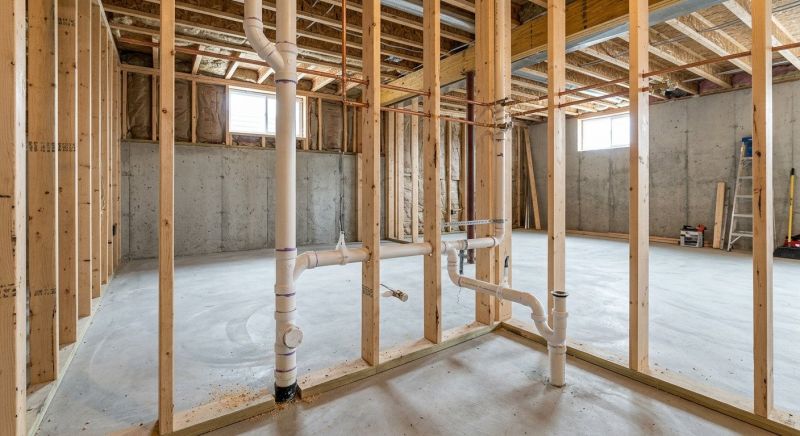
Basement Plumbing Installation in Denver, CO
Basement plumbing installation services involve setting up the necessary piping, fixtures, and drainage systems to support a functional and efficient basement space. This can include installing new water supply lines for sinks, laundry areas, or bathrooms, as well as drainage systems for waste removal. Property owners often seek these services when finishing or remodeling a basement, adding a bathroom, or upgrading existing plumbing to meet new needs. Understanding the scope of work, including the types of fixtures and the layout of the space, helps homeowners plan effectively and ensure the plumbing system meets their household requirements.
Before requesting basement plumbing installation, property owners typically want to know about the project's feasibility, the materials used, and the overall process involved. It’s important to consider existing plumbing connections, the layout of the basement, and any local building codes that may apply. Clear communication about the intended use of the space and specific fixture requirements can help ensure the installation aligns with household needs and future plans. Proper planning and understanding of these elements can contribute to a smooth installation process and long-term functionality.
Many property owners in Denver, CO look into Basement Plumbing Installation for repairs, replacements, upgrades, and appearance-related improvements.
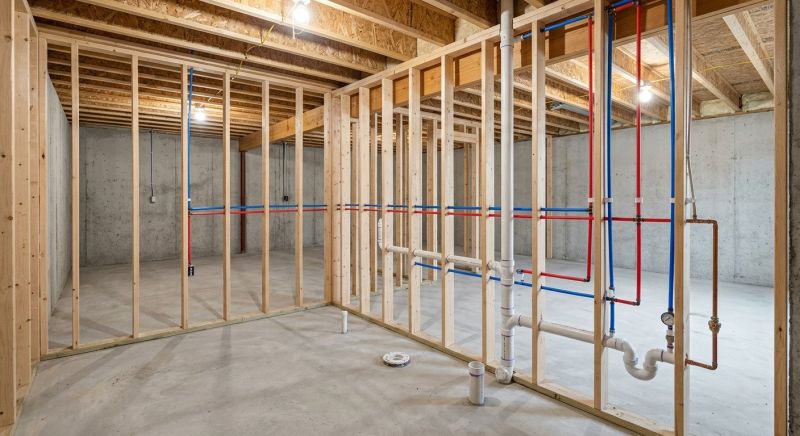
Basement Plumbing System Setup
Proper installation ensures reliable water flow and drainage in basement spaces.
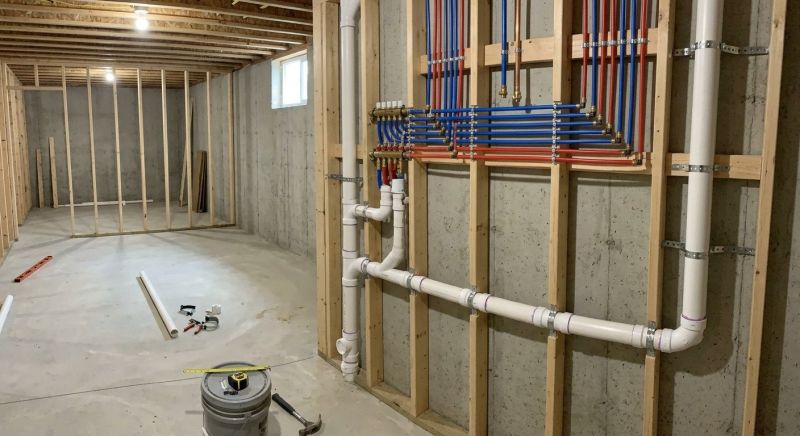
Fixture And Drain Line Installation
Installing sinks, toilets, and drains to meet the specific needs of basement areas.
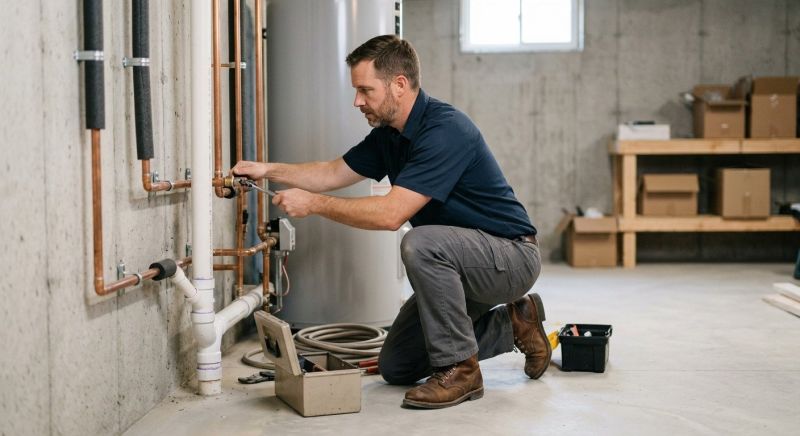
Leak Prevention And Repair
Addressing potential leaks to protect basement structures and maintain plumbing integrity.
Basement Plumbing Installation in Denver, CO

Basement plumbing installation services involve setting up the necessary piping, fixtures, and drainage systems to support a functional and efficient basement space. This can include installing new water supply lines for sinks, laundry areas, or bathrooms, as well as drainage systems for waste removal. Property owners often seek these services when finishing or remodeling a basement, adding a bathroom, or upgrading existing plumbing to meet new needs. Understanding the scope of work, including the types of fixtures and the layout of the space, helps homeowners plan effectively and ensure the plumbing system meets their household requirements.
Before requesting basement plumbing installation, property owners typically want to know about the project's feasibility, the materials used, and the overall process involved. It’s important to consider existing plumbing connections, the layout of the basement, and any local building codes that may apply. Clear communication about the intended use of the space and specific fixture requirements can help ensure the installation aligns with household needs and future plans. Proper planning and understanding of these elements can contribute to a smooth installation process and long-term functionality.
Many property owners in Denver, CO look into Basement Plumbing Installation for repairs, replacements, upgrades, and appearance-related improvements.
Common Basement Plumbing Installation Jobs
Basement bathroom plumbing - installing or upgrading fixtures to ensure proper drainage and water supply.
Sump pump installation - setting up reliable systems to prevent basement flooding and water damage.
Drain line installation - adding new drain lines for basement finishes or additional plumbing fixtures.
Water supply line setup - routing and connecting water lines to support basement appliances and sinks.
Leak detection and repair - identifying and fixing plumbing leaks to protect basement structures.
Ejector pump installation - installing systems to manage waste from basement bathrooms or laundry areas.
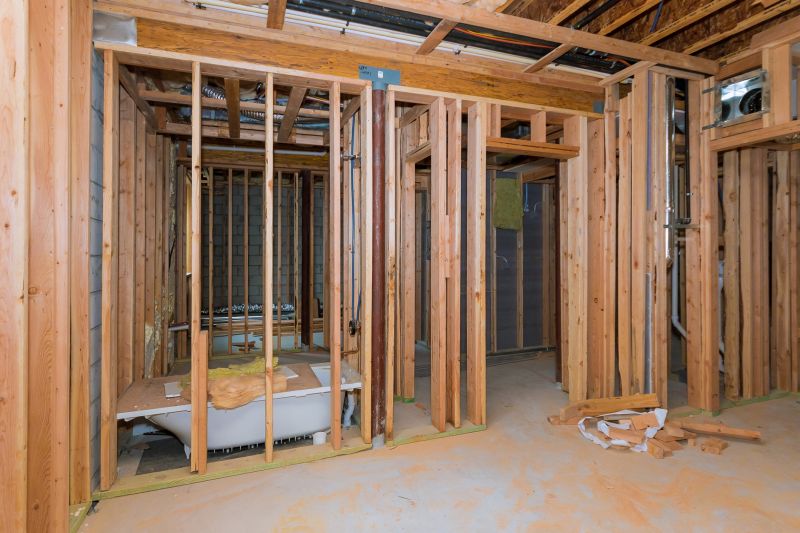
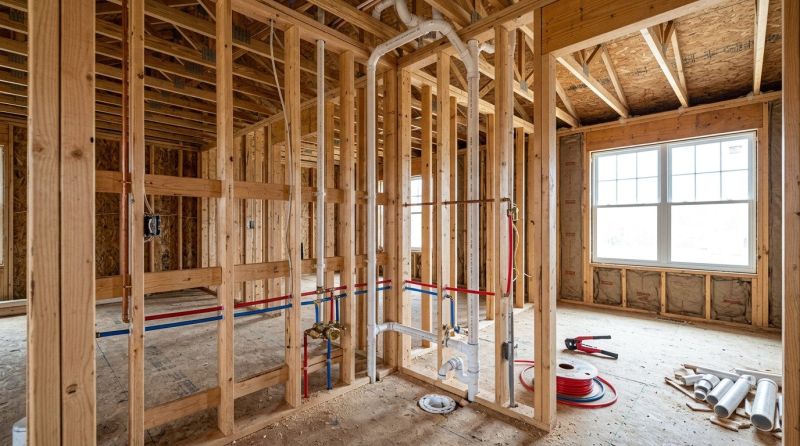
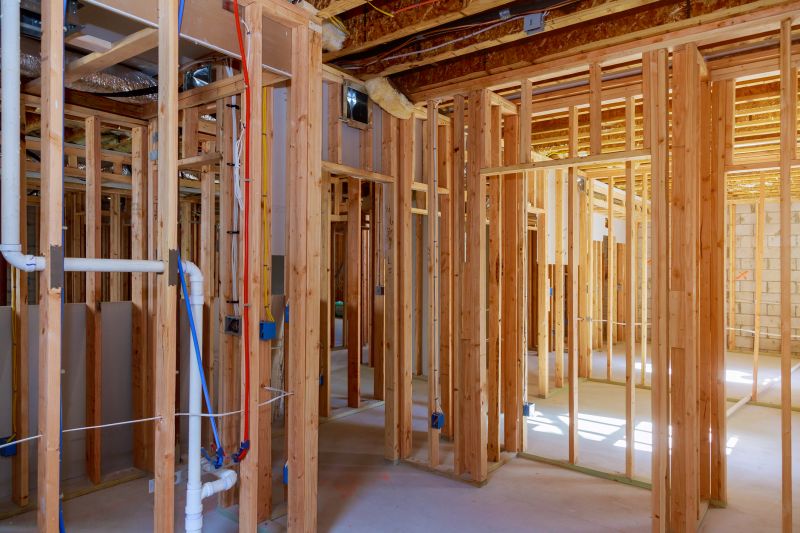
Basement Plumbing Installation Questions
What types of basement plumbing installations are commonly requested? Typical projects include installing new sump pumps, relocating or adding water lines, and setting up laundry or bathroom fixtures.
Why is proper plumbing installation important in a basement? Correct installation helps prevent leaks, water damage, and ensures reliable operation of fixtures and drainage systems.
Can new plumbing be added to an existing basement? Yes, additional plumbing lines can be installed to support new bathrooms, laundry areas, or other fixtures.
What should property owners consider before installing basement plumbing? It’s important to plan for proper drainage, access points, and compatibility with existing plumbing systems.
Request Basement Plumbing Installation in Denver, CO
Use the quote form on this page to share the basics of your project and request more information for the type of work you need.